
When “Auto Electrical Repair in Jacksonville, FL” Points to a Bigger Electrical Issue
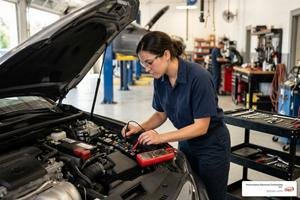
If you are searching for auto electrical repair in Jacksonville, FL, you are likely dealing with a no-start vehicle, dimming lights, blown fuses, or unexplained battery drain. Start by checking the battery terminals for corrosion, testing battery voltage with a multimeter (a healthy battery reads around 12.6 volts at rest), and inspecting fuses visually for blown elements. If those basic checks do not reveal the problem, a qualified auto electrical technician can perform deeper diagnostics on the starting and charging system, parasitic draws, and electronic control modules. Those are automotive problems best handled by a dedicated auto repair facility.
Performance Electrical Contracting Inc. does not repair vehicles; our work focuses on electrical installation, maintenance, and repairs for commercial, multifamily, hospitality, infrastructure, and residential properties across Jacksonville and the Southeast.
The overlap is that many warning signs sound familiar in both settings. Flickering lights, nuisance trips, overheated connections, corrosion, and voltage drops can occur in vehicles, parking facilities, apartment communities, commercial buildings, and site infrastructure. Modern cars use dozens of electronic control units communicating over networks such as Controller Area Network (CAN bus); modern buildings also rely on interconnected lighting controls, access controls, fire alarm interfaces, HVAC equipment, EV charging stations, and power distribution gear.
Flickering Lights, Weak Cranks, and Starting Failures
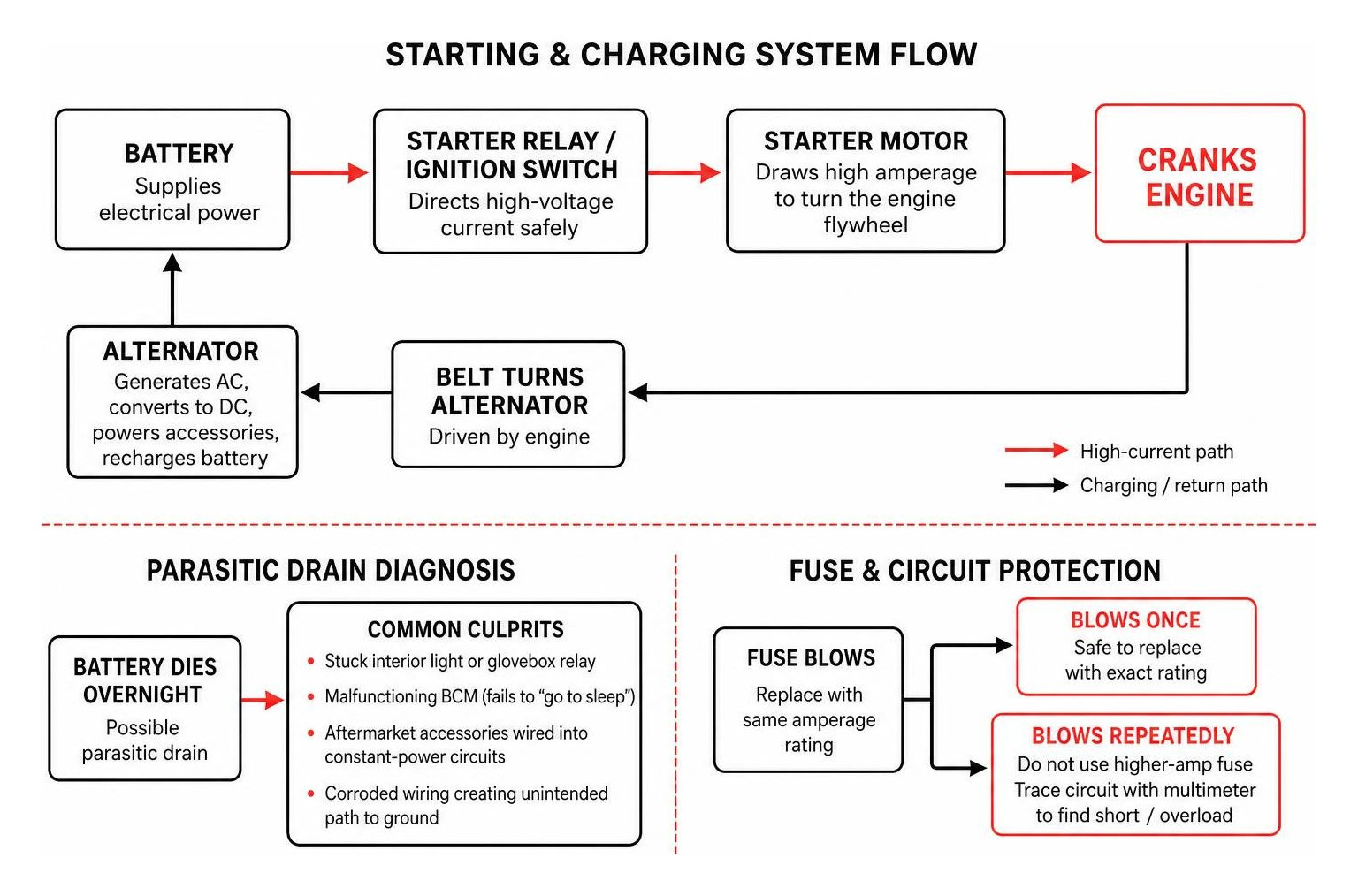
In a vehicle, starting and charging systems work in direct harmony:
- The Starter Motor: Draws high amperage from the battery to turn the engine flywheel.
- The Alternator: Generates alternating current, converts it to direct current via internal diodes, recharges the battery, and powers all onboard accessories while driving.
- The Ignition Switch and Starter Relay: Act as the gatekeepers directing high-voltage current safely.
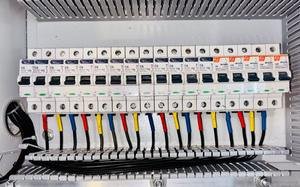
In a building or property environment, similar symptoms often point to different equipment: undersized circuits, loose terminations, failing breakers, overloaded panels, damaged conductors, voltage imbalance, or corroded grounding and bonding connections. For example, lights that dim when large HVAC equipment starts may require a licensed electrical contractor to evaluate load capacity, connections, panel condition, and feeder performance.
When turning a vehicle key produces a rapid clicking sound, it may indicate the starter solenoid is engaging without enough voltage to turn the starter motor. When a building circuit repeatedly clicks, trips, hums, or shows heat discoloration, it should not be ignored or reset repeatedly. Electrical distribution problems require proper testing rather than guesswork.
Hidden Parasitic Drains and Blown Fuses
A battery that dies repeatedly overnight is often the victim of a parasitic drain. While every modern vehicle pulls a tiny standby current to maintain clock memory and alarm settings, a malfunctioning circuit can draw far more.
Common vehicle culprits of parasitic draw include:
- A stuck interior light or glovebox relay
- A malfunctioning Body Control Module (BCM) that fails to “go to sleep”
- Aftermarket accessories wired improperly into constant-power circuits
- Corroded wiring creating an unintended path to ground
On the property side, the equivalents may include site lighting controls that stay energized, malfunctioning contactors, damaged underground conductors, moisture intrusion in junction boxes, faulty parking lot lighting circuits, or equipment that draws current outside its intended operating schedule.
Fuses and breakers protect wiring from overheating. If a vehicle fuse blows once, replacing it with the exact amperage rating may be safe. If a building breaker trips repeatedly or a fuse continues to open, do not oversize the protection or keep resetting the circuit. That can hide a dangerous fault and increase the risk of damaged equipment, melted insulation, or fire. Continuous circuit overloads require professional circuit tracing with proper meters, documentation, and code-compliant repair methods.
Jacksonville Climate and Electrical System Reliability
Operating vehicles and properties in Northeast Florida presents unique environmental stressors. Between intense summer heat waves, high humidity, lightning activity, and salt-laden ocean breezes moving inland from Jacksonville Beach, electrical systems work under extreme conditions.
Extreme Heat and Coastal Humidity Impacts
Heat is one of the biggest enemies of electrical equipment. Under-hood vehicle temperatures can exceed 200°F during summer stop-and-go traffic, and exterior electrical equipment on commercial and multifamily properties can also experience severe heat exposure.
- Insulation Breakdown: Extreme heat dries out protective wire insulation, increasing the risk of cracking, brittleness, and moisture intrusion.
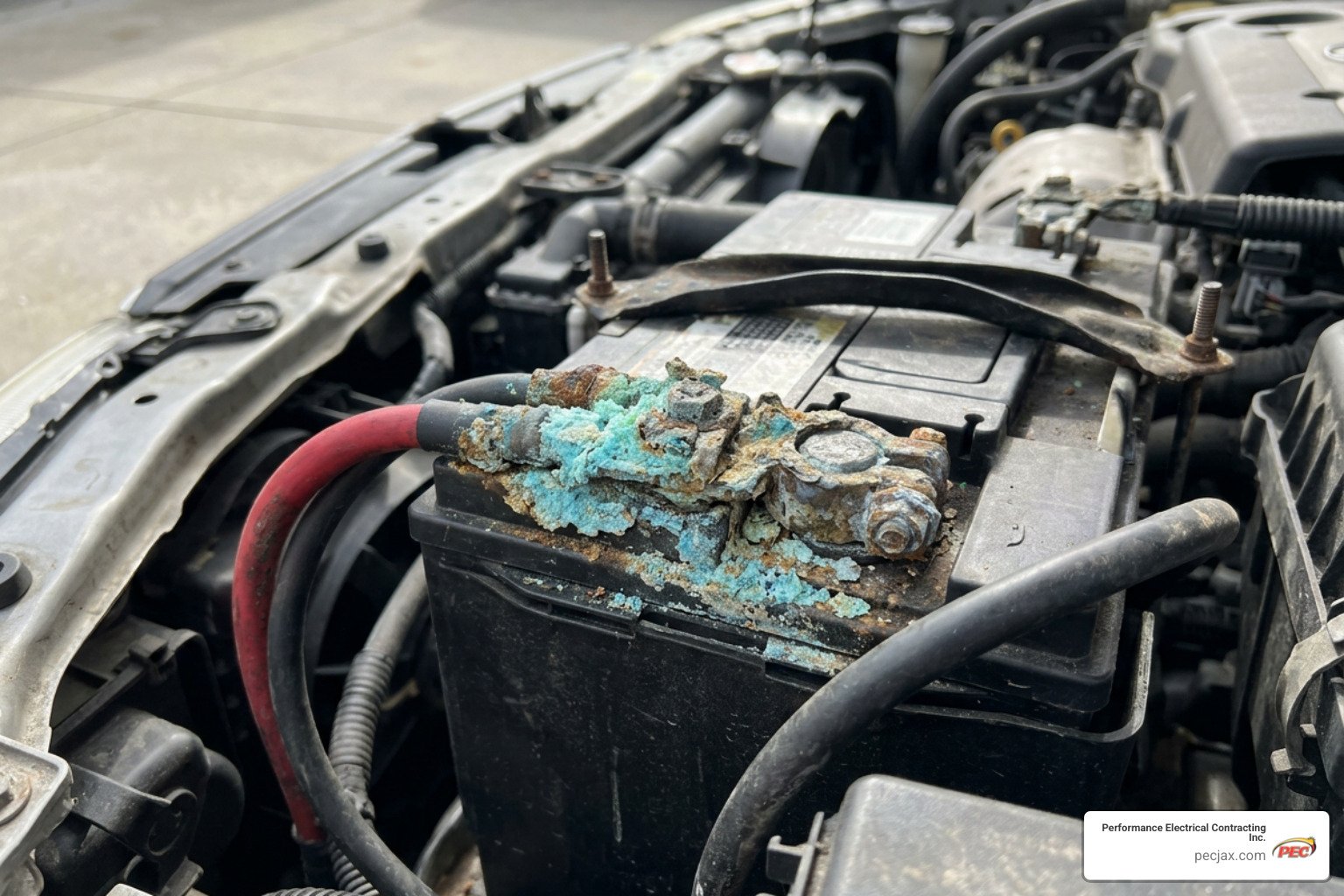
- Terminal Oxidation: High humidity accelerates chemical reactions between dissimilar metals, leading to green and white crusty corrosion on battery posts, lugs, terminations, disconnects, and ground connections.
- Ground Resistance: A corroded ground path creates elevated electrical resistance, which can cause nuisance faults, unreliable equipment operation, and safety concerns.
For Jacksonville property owners and managers, the same environmental conditions that shorten vehicle battery life can also affect parking lot lighting, exterior panels, marina-adjacent equipment, gate operators, pool equipment, EV chargers, generator connections, and building service components.
Battery Lifespan and Jump-Starting Safety Protocols
In colder northern climates, a car battery often lasts 4 to 6 years. In Jacksonville, intense summer heat accelerates internal electrolyte evaporation and grid corrosion, shortening battery life significantly. Drivers should test their car battery at 3 years and anticipate replacement by year 5.
For properties, battery-backed systems also deserve scheduled maintenance. Emergency lighting, fire alarm backup batteries, access control equipment, UPS units, gate operators, and generator starting batteries can all be affected by heat, age, corrosion, and poor charging conditions.
| Feature / Metric | 3-Year Battery (Florida Climate) | 5-Year Battery (Florida Climate) |
|---|---|---|
| Internal Plate Health | Minimal sulfation; healthy lead plates | High sulfation; internal grid breakdown |
| Cold Cranking Amps (CCA) | Delivers 85%-100% of factory rating | Often drops below 60% of factory rating |
| Heat Tolerance | Handles high engine bay temperatures | Highly susceptible to sudden internal cell failure |
| Failure Risk | Low under normal driving habits | Extremely high; often dies without warning |
| Recommended Action | Annual load testing and terminal cleaning | Proactive replacement recommended |
Safe Jump-Starting vs. Costly Mistakes
The single most common mistake made during a roadside jump-start is reversing the cable polarity by connecting positive red to negative black. Crossing leads can blow the alternator’s rectifier diodes, melt fusible links, and instantly destroy sensitive vehicle electronics.
When jumping a vehicle:
- Connect the RED clamp to the dead battery’s POSITIVE (+) terminal.
- Connect the other RED clamp to the booster vehicle’s POSITIVE (+) terminal.
- Connect the BLACK clamp to the booster vehicle’s NEGATIVE (-) terminal.
- Connect the final BLACK clamp to an unpainted metal engine ground on the dead vehicle, away from the battery.
- Run the booster car for several minutes before attempting to crank the dead vehicle.
Tip for a locked steering wheel: If your ignition key will not turn after battery failure, apply firm pressure to the brake pedal and gently turn the steering wheel left and right while turning the key to release mechanical tension on the steering lock.
For building power issues, jump-start methods do not apply. If a panel, breaker, disconnect, transformer, generator connection, or exterior circuit is failing, a licensed electrical contractor should inspect the system before equipment is re-energized.
Core Services and Diagnostic Capabilities
Accurate electrical repair relies on methodical troubleshooting rather than guessing and swapping expensive parts. In an auto shop, that may mean testing the starting and charging loop. In a building, facility, or infrastructure setting, it means tracing power from the service equipment through panels, feeders, branch circuits, controls, and connected loads.
Professional electrical diagnostics may include:
- Digital Multi-Point Inspections: Evaluating panels, breakers, disconnects, grounding, bonding, conductor condition, and connected equipment.
- Thermal Imaging Cameras: Detecting hot spots in panels, switchgear, equipment cabinets, and wiring caused by loose connections or excessive electrical resistance.
- Circuit Tracing and Meter Testing: Confirming voltage, amperage, continuity, insulation condition, load behavior, and suspected fault locations.
Performance Electrical Contracting Inc. provides full-service electrical installation, maintenance, and repairs for commercial, multifamily, hospitality, infrastructure, and residential projects. Our role is not vehicle repair; it is keeping properties, facilities, and electrical infrastructure powered safely and reliably.
Advanced Electrical Work for Facilities, EV Charging, and Specialized Equipment
European and hybrid vehicles feature specialized electrical architectures requiring dedicated automotive diagnostic tools. Those systems belong with qualified auto technicians.
Property electrical systems also require specialized capability, especially when projects involve:
- Commercial and Multifamily Power Distribution: Panelboards, feeders, meter centers, lighting controls, and service upgrades.
- Hospitality and Infrastructure Electrical Systems: Coordinated installation and maintenance for high-use environments where downtime affects operations.
- EV Charging Infrastructure: Properly sized circuits, load calculations, code-compliant installation, equipment coordination, and safe integration with existing electrical service.
- Backup and Life-Safety Interfaces: Emergency lighting, generators, transfer equipment, access control power, and related electrical support systems.
Hybrid and electric vehicles may contain high-voltage battery packs, power inverters, DC-DC converters, and regenerative braking components. Similarly, commercial electrical equipment can involve high available fault current, energized distribution gear, and code-sensitive work that should only be handled by trained, properly equipped professionals.
Diagnostic Timelines and Cost Expectations
Simple automotive issues such as a battery replacement, starter swap, or straightforward alternator installation are frequently completed the same day by an auto repair facility. Building electrical timelines depend on the scope, access, documentation, permitting needs, parts availability, and whether the issue affects a single circuit or a larger distribution system.
Common repair considerations include:
- Diagnostic Fee / Labor Time: Basic diagnostics may involve testing, visual inspection, load checks, and circuit tracing to identify the source of a fault.
- Repair Scope: A tripped breaker, failed device, damaged conductor, corroded exterior box, or overloaded circuit each requires a different repair path.
- Equipment Availability: Panels, breakers, lighting controls, and specialty components may require matching listed equipment and manufacturer-compatible parts.
- Coordination Requirements: Commercial, multifamily, hospitality, and infrastructure work may require scheduling around occupants, operations, shutdown windows, and inspections.
Preventive Maintenance and Professional Repair Standards
Preventive electrical maintenance protects vehicles from unexpected failures, and the same principle applies to buildings and property infrastructure. Routine care catches degrading components before they cause outages, unsafe conditions, or costly emergency repairs.
Annual Electrical System Inspections
For vehicles, annual service often includes battery load testing, alternator output checks, belt inspection, and terminal cleaning. For properties, an annual electrical review should focus on the equipment that keeps operations, residents, guests, and tenants safe.
Include these essential checks during your annual service planning:
- Inspect Panels and Breakers: Look for heat discoloration, corrosion, missing labels, nuisance trips, and signs of overload.
- Test Critical Circuits: Confirm proper operation of lighting, exterior equipment, life-safety support circuits, access controls, and essential loads.
- Review Grounding and Bonding: Check for corrosion, loose connections, and conditions that may increase shock or equipment-failure risk.
- Clean and Protect Terminations: Remove oxidation where appropriate and use proper protective methods to reduce coastal salt-air exposure.
- Evaluate Exterior Equipment: Inspect parking lot lighting, disconnects, weatherproof covers, junction boxes, conduit, and site infrastructure exposed to rain, salt air, and heat.
Warranty Protections and Repair Standards
When selecting an electrical repair facility for a vehicle, drivers often look for ASE-certified technicians and high-grade parts. When selecting a contractor for a building or infrastructure project, property owners should prioritize licensed, insured, pre-qualified electrical professionals with documented experience in the relevant project type.
Reputable electrical contractors use listed equipment, manufacturer-approved components, code-compliant methods, and clear documentation. For commercial, multifamily, hospitality, infrastructure, and residential work, Performance Electrical Contracting Inc. focuses on partnership-driven service, on-time execution, on-budget delivery, and value-driven solutions backed by strong local experience.
Frequently Asked Questions About Electrical Repairs
Does Performance Electrical Contracting Inc. provide auto electrical repair?
No. Performance Electrical Contracting Inc. is not an auto repair shop and does not service vehicle starters, alternators, car batteries, ECUs, or automotive wiring harnesses. Our team provides electrical installation, maintenance, and repairs for commercial, multifamily, hospitality, infrastructure, and residential properties.
How long does a typical electrical diagnostic take?
For vehicles, a standard auto electrical diagnostic inspection often takes between 1 and 2 hours. Basic faults like dead battery cells or failing alternators are usually identified quickly, while intermittent issues may require extended circuit tracing.
For properties, timing depends on the system involved. A single failed device or tripped circuit may be evaluated quickly, while issues involving panels, feeders, underground conductors, exterior lighting, controls, or multiple buildings may require more detailed testing, access coordination, and repair planning.
Why do batteries and electrical components fail faster in Florida than in other states?
Florida’s intense ambient heat raises under-hood temperatures dramatically and also stresses exterior electrical equipment. Heat accelerates chemical breakdown in batteries, dries insulation, speeds corrosion, and can shorten the useful life of equipment exposed to sun, humidity, rain, and salt air.
What is the most dangerous mistake to avoid when jump-starting a car?
The most dangerous mistake is reversing cable polarity. Connecting positive to negative can fry computer modules, destroy the alternator’s internal bridge rectifier, create intense electrical arcing, and potentially cause the battery to explode.
For building electrical systems, the comparable mistake is repeatedly resetting breakers, bypassing protection, or energizing equipment after a fault without inspection. If a circuit keeps tripping or equipment shows heat, smoke, buzzing, corrosion, or burning odors, stop using it and have it evaluated by a qualified professional.
Conclusion
Your vehicle’s electrical system powers everything from essential engine timing and safety systems to everyday comforts like power windows and air conditioning. If your issue is inside the vehicle, a qualified auto electrical repair specialist is the right resource.
If your concern involves a building, business, multifamily community, hospitality property, residence, parking area, exterior lighting, EV charging infrastructure, or other site electrical system, Performance Electrical Contracting Inc. can help. Our team delivers industrial-grade power and wiring solutions for commercial, multifamily, infrastructure, hospitality, and residential facilities across Florida and the Southeast. Discover how our team provides reliable electrical solutions in Jacksonville to keep your properties powered safely and efficiently.